
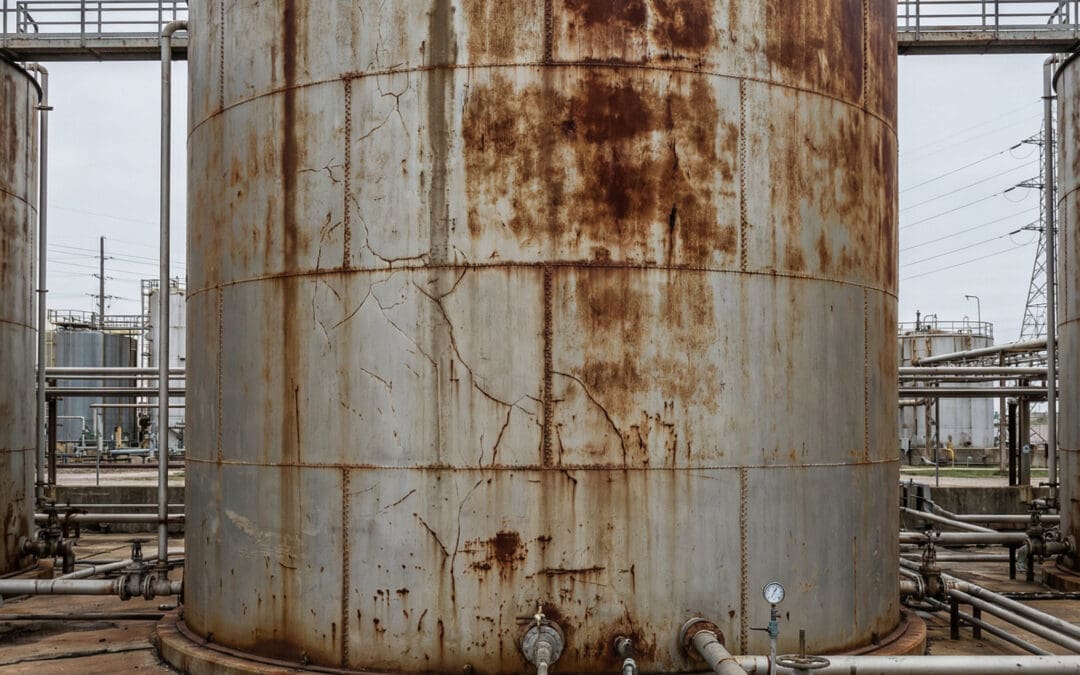
Industrial Tank Repair: Ensuring Safety, Compliance, and Longevity
Industrial tanks are essential for safely storing water, chemicals, fuel, and more across countless operations. But over time, even the sturdiest tanks can face problems—leaks, corrosion, cracks, and structural damage—that threaten safety, compliance, and productivity. When left unaddressed, these issues can lead to costly downtime, hazardous incidents, and expensive replacements.
At RAK Industrial Services, we specialize in advanced industrial tank repair solutions tailored to minimize downtime, control costs, and ensure long-term operational reliability. In this guide, we’ll cover the most common industrial tank issues and the best solutions for keeping your tanks in peak condition.
Types of Industrial Tanks
Before choosing repair methods, it’s important to understand the different industrial tanks you may be working with:
- Water Tanks: Used for potable water, wastewater, and industrial process water.
- Chemical Storage Tanks: Built with corrosion-resistant materials for holding harsh chemicals.
- Fuel Storage Tanks: Designed to safely store diesel, gasoline, and other liquid fuels.
- Pressure Tanks: Used to store liquids or gases under pressure, often in manufacturing, mining, or energy sectors.
Each tank type presents unique challenges—and requires the right approach for repair and maintenance.
Common Issues in Industrial Tanks
Corrosion
Problem:
Corrosion is a leading cause of tank failure, especially in tanks exposed to water, chemicals, or fuel. Metal surfaces degrade when exposed to oxygen and moisture, compromising tank integrity.
Solution:
Combat corrosion with regular inspections, application of protective coatings and linings, and, for severe cases, re-coating or replacement of damaged sections.
Leaks
Problem:
Leaks can occur at seams, joints, or due to material degradation—posing serious risks and causing product loss.
Solution:
Repair leaks with welding, patching, or advanced composite materials. Carbon fiber wraps are especially effective for high-pressure systems, offering a quick, non-intrusive, and durable fix with minimal downtime.
Cracks
Problem:
Extreme temperature changes, pressure fluctuations, or poor maintenance can cause tanks to crack, particularly at stress points.
Solution:
Repair cracks using structural reinforcement methods such as carbon fiber wraps or fiberglass linings—restoring strength while preventing further damage.
Structural Damage
Problem:
Wear and tear over time can weaken a tank’s structure, putting contents and safety at risk.
Solution:
Depending on the extent, structural repairs can include welding, installing metal plates, or reinforcing with carbon fiber composites. Ensuring tanks are properly designed for their contents and pressures is key to preventing future failures.
Types of Tank Repairs and Solutions
Tank Coatings and Linings
Purpose:
Coatings and linings provide a protective barrier against corrosion, leaks, and chemical degradation.
Materials Used:
Common options include epoxy, vinyl ester, polyurethane, and acid-resistant coatings—matched to your tank’s specific environment.
Benefits:
Extend tank life, reduce repair frequency, and ensure compliance.
Fiberglass and Carbon Fiber Repairs
Purpose:
Ideal for repairing cracks or leaks in high-stress or high-pressure systems.
Benefits:
Carbon fiber wraps offer lightweight, high-strength, and chemical-resistant repairs—often applied on-line to avoid shutdowns and minimize downtime.
Welding and Metal Fabrication
Purpose:
For addressing major structural repairs, welding restores integrity at stress points, holes, or seams—most commonly used in steel tanks.
Benefits:
Permanent, reliable, and suitable for significant damage or modifications.
Polyurethane and Epoxy Injection
Purpose:
For small leaks or cracks in concrete or plastic tanks, injection fills gaps and creates a watertight seal.
Benefits:
Easy application, cost-effectiveness, and long-lasting results.
Preventative Measures for Industrial Tanks
Repair is only part of the equation—proactive maintenance drastically reduces risk and cost over time:
- Routine Inspections: Regularly check for early wear, corrosion, or leaks. Early intervention prevents major repairs.
- Cleaning and Maintenance: Clean tanks regularly to prevent buildup and accelerate wear.
- Corrosion Protection: Consistently apply corrosion-resistant coatings and linings, especially in aggressive environments.
- Pressure Relief and Monitoring: Install pressure relief systems and real-time monitoring to prevent dangerous over-pressurization.
When to Call in a Professional
Severe damage, frequent leaks, or tanks under high pressure or hazardous conditions require expert intervention. RAK Industrial Services has the experience, equipment, and compliance know-how to safely and efficiently restore your tanks—keeping your team safe and your operations running.
Industrial tank repairs are essential to maintaining a safe, productive operation and avoiding unnecessary downtime. From protective coatings and carbon fiber wraps to welding and advanced composite repairs, RAK Industrial Services offers a full spectrum of solutions—customized for your tank type, damage, and environment.
Don’t let tank issues disrupt your bottom line.
Contact us for a free consultation and discover how our advanced repair techniques can extend the life of your tanks and keep your facility compliant, efficient, and safe.