
Valve packing leaks are one of the most common leaks in an industrial plant. Every valve with a rising or rotating stem relies on packing to seal the gap between the stem and the valve body, and over time that seal wears out. What starts as a small wisp of steam or a slow drip at the gland can grow into a steady leak that wastes energy, creates safety hazards and damages the valve stem.
The traditional fix is to isolate the valve, depressurize the line and repack it. For valves on critical steam, process or utility lines, that can mean a shutdown nobody wants. Valve packing leak repair using on-line injection methods gives facilities another option: sealing the leak while the valve stays in service. For a broader look at leaks on operating systems, see Industrial Leak Repair for Active Pipe, Valve and Flange Leaks.
What Is Valve Packing?
Valve packing is a compressible sealing material installed in the stuffing box around the valve stem. A gland follower and gland bolts compress the packing so it presses tightly against the stem and the stuffing box walls, creating a seal that still allows the stem to move when the valve is operated.
Packing is commonly made from braided or die-formed materials such as graphite or PTFE, selected for the temperature, pressure and fluid in the line. When the packing loses compression or breaks down, the seal fails and fluid escapes along the stem.
What Causes Valve Packing Leaks?
Normal Wear From Stem Movement
Every time a valve is opened, closed or throttled, the stem moves against the packing. Frequently operated valves wear their packing faster, gradually opening a leak path along the stem.
Loss of Gland Load Over Time
Packing compresses and settles over time, and gland bolts can relax. As the load on the packing drops, so does its ability to seal, even if the packing itself is still in reasonable condition.
Thermal Cycling
Valves in steam and hot process service heat up and cool down repeatedly. The stem, body and packing expand and contract at different rates, which loosens the seal over time.
Stem Damage and Corrosion
A scored, pitted, corroded or bent stem prevents the packing from sealing evenly. Once a leak starts, escaping steam or process fluid can erode the stem and stuffing box further, making the leak worse.
Wrong Packing or Improper Installation
Packing that isn’t suited to the temperature, pressure or chemical service will break down early. Uneven or excessive gland tightening during installation can also damage the packing or make the valve hard to operate.
Vibration
Vibration from pumps, compressors and flow conditions can loosen gland bolts and work the packing loose, especially on valves near rotating equipment.
Common Signs of a Valve Packing Leak
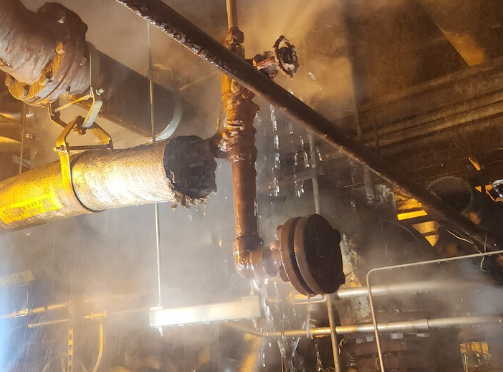
- Steam, vapor or fluid escaping at the gland or around the stem
- Dripping, staining or residue buildup on the stem, gland or bonnet
- Hissing near the top of the valve
- Corrosion or crystal buildup around the packing area
- A stem that is unusually stiff or hard to operate
- Readings from leak detection or emissions monitoring at the valve stem
Why Valve Packing Leaks Should Not Be Ignored
A packing leak may look minor, but it tends to get worse, not better. Leaving it alone can lead to:
- Energy loss: Steam leaking from valve stems adds up across a plant and drives up fuel and water costs.
- Safety hazards: High-temperature steam and process fluids can cause burns, chemical exposure and slip hazards.
- Valve damage: Escaping fluid erodes the stem and stuffing box, turning a packing repair into a valve replacement.
- Emissions concerns: Leaks in chemical, gas or hydrocarbon service can create fugitive emissions and compliance issues.
- Larger failures: A worsening leak may eventually force an unplanned shutdown at the worst possible time.
Packing Leak or Bonnet Leak?
Not every leak at the top of a valve is a packing leak. Packing leaks come from the stem and gland area. Leaks at the joint between the valve body and bonnet usually point to a failed bonnet gasket or loose bonnet bolts. Both can often be repaired on-line, but they require different approaches, so correctly identifying the leak location is the first step.
Valve Packing Leak Repair Options
Gland Adjustment
If the packing still has life left, a qualified technician may be able to stop a minor leak by carefully and evenly tightening the gland bolts. Over-tightening can damage the packing, score the stem and make the valve difficult to operate, so this should be done with care and only when there is adjustment remaining.
Repacking the Valve
Removing the old packing and installing new packing restores the seal, but it typically requires isolating and depressurizing the valve. For many valves, that means waiting for a planned outage or taking a line out of service.
On-Line Packing Injection
When a valve can’t be taken out of service, packing injection seals the leak while the line stays live. A specialized injectable packing compound is forced into the stuffing box under pressure, filling voids and re-establishing the seal around the stem. Depending on the valve, the compound is introduced through an injection fitting installed in the stuffing box or through a clamp fitted around the gland area.
The injected compound is selected for the line’s temperature, pressure and media. The valve can often continue to operate after the repair, and permanent repacking can be scheduled for the next planned outage. Learn more about RAK’s on-line leak repair services.
Why Pressure and Temperature Matter
Packing leaks on high-pressure steam and hot process lines need extra care. The repair method, injection compound and safety procedures all depend on the operating conditions, and working near an active high-temperature leak requires trained technicians and proper protective equipment. For more on steam leaks, see How Industrial Steam Leak Repair Works Without Shutting Down the System.
Case Study: Valve Leak Sealing With Packing Injection
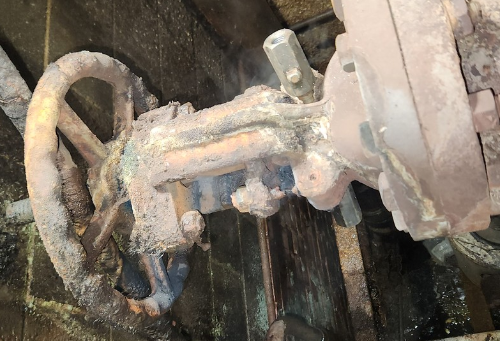
A facility had multiple leaking valves in a critical system, and a traditional repair would have meant extended production downtime. RAK injected packing material into the valve stems to seal the leaks without a full system shutdown. The valves returned to full function with no leakage and no production delays. Read the full case study.
RAK has also sealed a live steam leak at the bonnet of a 12-inch gate valve operating at approximately 350°C, using injection fittings while the valve stayed at full operating pressure. See the 12-inch gate valve case study.
Preventing Future Packing Leaks
- Choose packing rated for the valve’s temperature, pressure and fluid
- Follow proper installation and gland tightening procedures
- Inspect frequently operated and high-temperature valves regularly
- Address small leaks early, before they damage the stem
- Track recurring leaks and plan repacking during scheduled outages
Leaking relief valves are a different problem with different causes. If that’s what you’re dealing with, see Pressure Relief Valve Leaking? Causes, Risks & Repair Solutions.
Valve Packing Leak Repair From RAK Industrial Services
RAK Industrial Services seals active leaks on valves, flanges and piping while systems remain in operation. Valve leak repair services include:
- On-line packing injection for valve stem leaks
- Bonnet and body joint leak sealing
- Flange and gasket leak repair
- Steam, gas, water and process line leak repair
- 24/7 emergency response
Have a leaking valve that can’t wait for your next outage? Contact RAK to talk through your situation and repair options.