Composite Pipe Repair & Rehabilitation
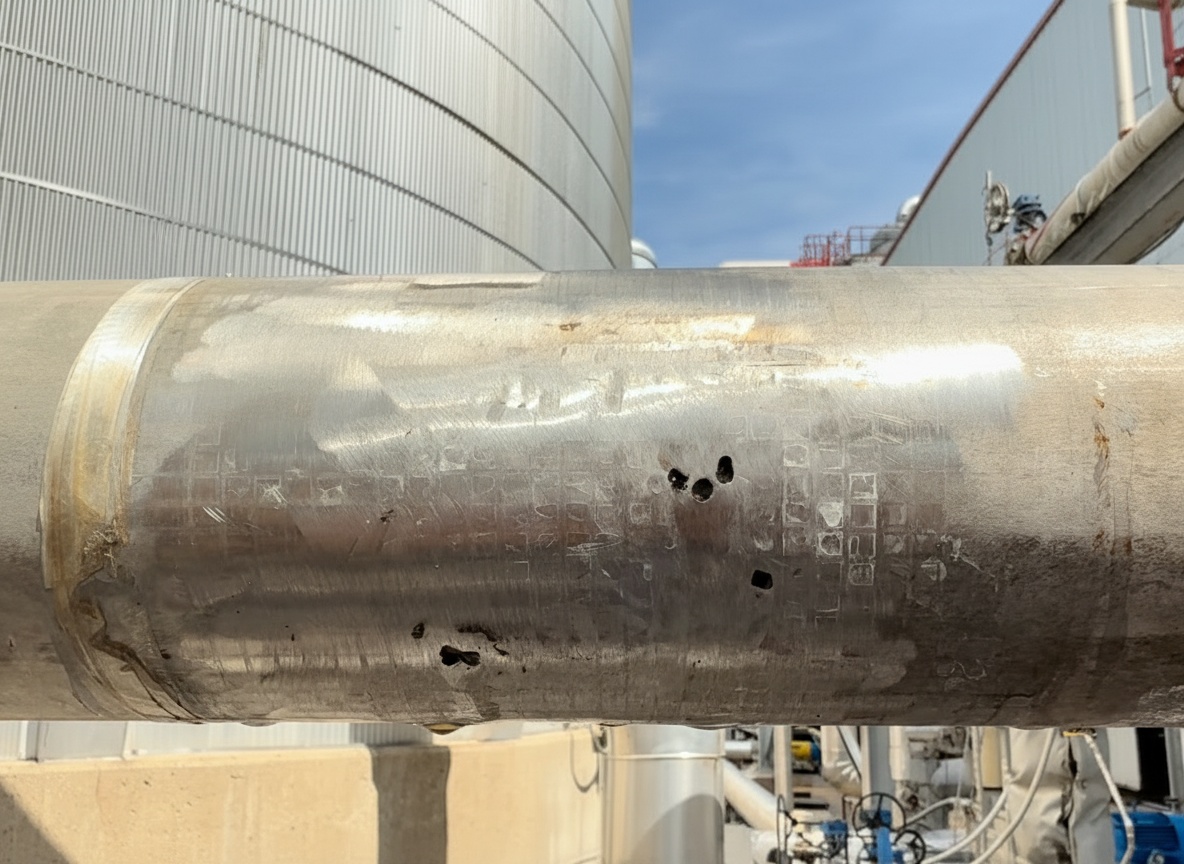
Industrial piping systems operate under constant pressure, temperature cycling, vibration, and chemical exposure. Over time, corrosion, erosion, abrasion, cracking, and leaks can threaten system integrity and plant reliability. Traditional repair methods often require welding, line isolation, or full pipe replacement.
RAK Industrial Services provides composite pipe repair and lining solutions designed to contain leaks, restore structural strength, and extend service life.
Reinforce Piping Without Shutdowns
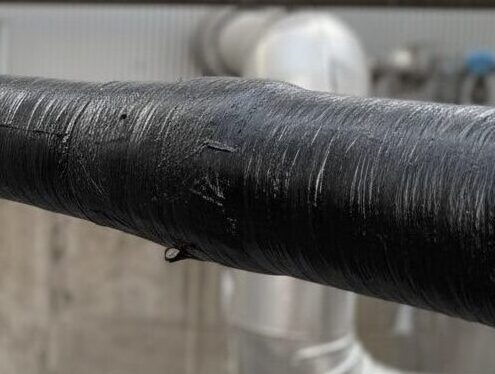
Composite pipe repair provides a practical alternative to full pipe replacement for systems affected by corrosion, abrasion, chemical exposure, or wall loss. RAK evaluates pipe condition using inspection data, operating pressure, process fluids, temperature, and accessibility to determine the most appropriate composite repair approach.
Composite and FRP-based repair systems provide:
- Containment and stabilization of leaks without interrupting operations, where conditions allow
- Repairs performed without hot work or welding in sensitive or hazardous environments
- Abrasion resistant reinforcement for high-wear and erosive service
- Structural reinforcement of thinned or weakened pipe walls based on measured condition
- Resistance to corrosion and aggressive process chemicals
- Rehabilitation options for in-service piping to extend asset life
Composite reinforcement systems are low-profile and selected to maintain system performance while avoiding the cost, risk, and downtime associated with pipe replacement.
RAK Composite Pipe Repair Systems Are Used To
Internal & External Pipe Lining
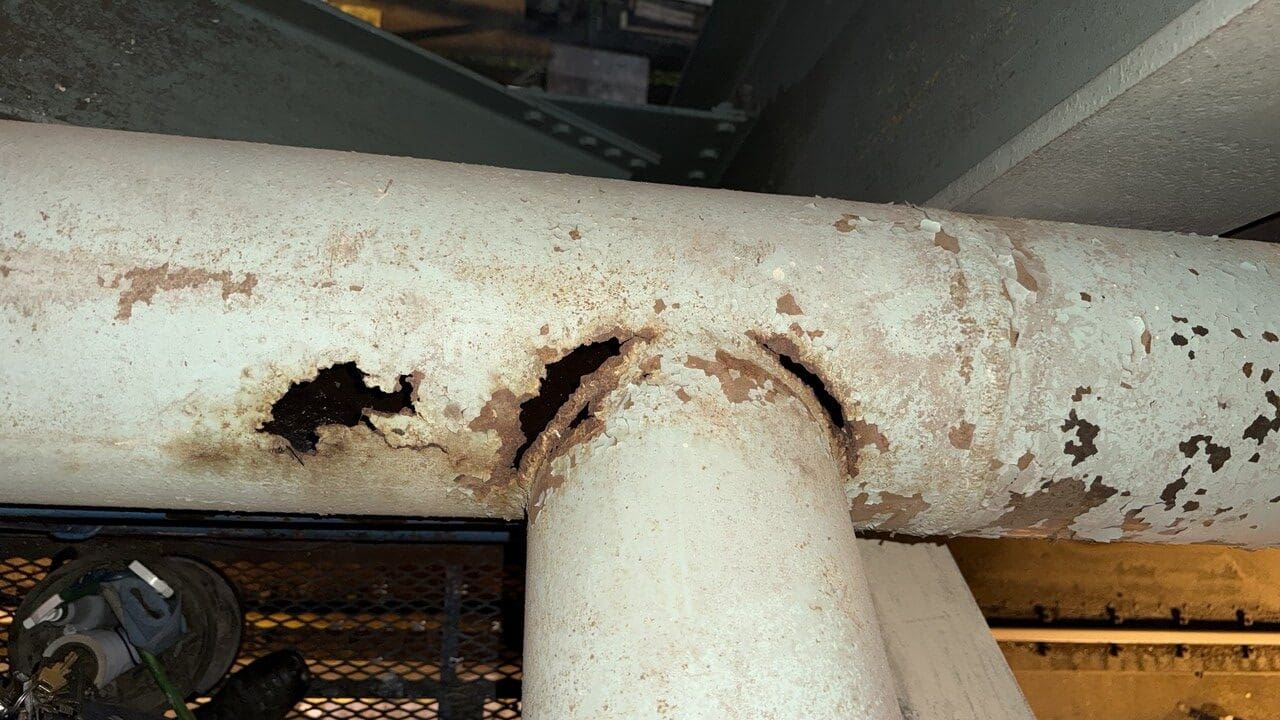
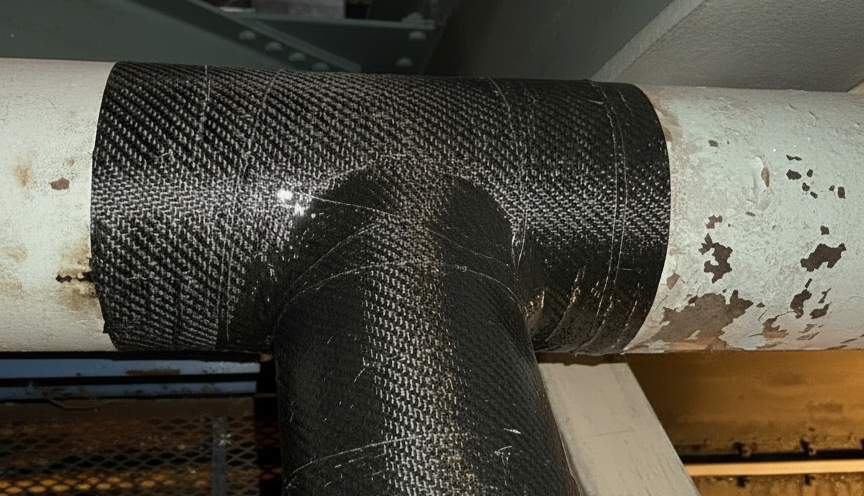
Internal and external composite pipe repairs provide the same structural reinforcement and long-term protection. The primary difference is access whether the repair is installed from the inside of the pipe or from the outside rather than performance or capability.
When properly designed and applied, composite reinforcement systems can restore and often exceed the strength of the original steel pipe, creating a permanent, non-corrosive repair without the need for replacement. RAK evaluates inspection data, measured wall loss, operating pressure, temperature, process media, and site access to determine the most practical installation approach.
Whether applied internally or externally, composite materials and reinforcement systems are selected to match service conditions and deliver long-term reliability.
Specialized Line Applications
Gas Lines
Aging gas piping and transmission lines often experience corrosion and mechanical degradation that threaten pressure integrity and plant safety.
- Structural reinforcement aligned with ASME PCC-2 guidance
- In-service repair options that avoid shutdowns
- Composite materials resistant to future corrosion
- Low-profile systems that preserve pipe geometry
- Efficient installation with minimal disruption
Oil Lines
Oil and fuel piping systems are exposed to corrosion, mechanical damage, and long-term wear that can lead to leaks and environmental risk.
- Restores pressure integrity and structural strength
- Reinforcement of degraded pipe walls and welds
- Non-corrosive protection from environmental exposure
- Preventive reinforcement for aging systems
- Cost-effective alternative to replacement
Water & Wastewater Lines
Water, cooling, and wastewater piping are critical to plant operations and often exposed to corrosion, abrasion, and long-term wear.
- Leak containment while maintaining service
- Structural reinforcement of weakened pipe walls
- Corrosion and chemical resistant protection
- Extended service life for process water systems
Concentrated Chemical Lines
Piping that carries acids, caustics, and aggressive chemicals is highly susceptible to corrosion, wall loss, and leaks.
- Reinforcement of chemically damaged piping
- Systems selected for high acid and caustic service
- Repairs performed in service to avoid shutdowns
- Non-corrosive materials resist ongoing degradation
- Targeted reinforcement preserves pipe geometry
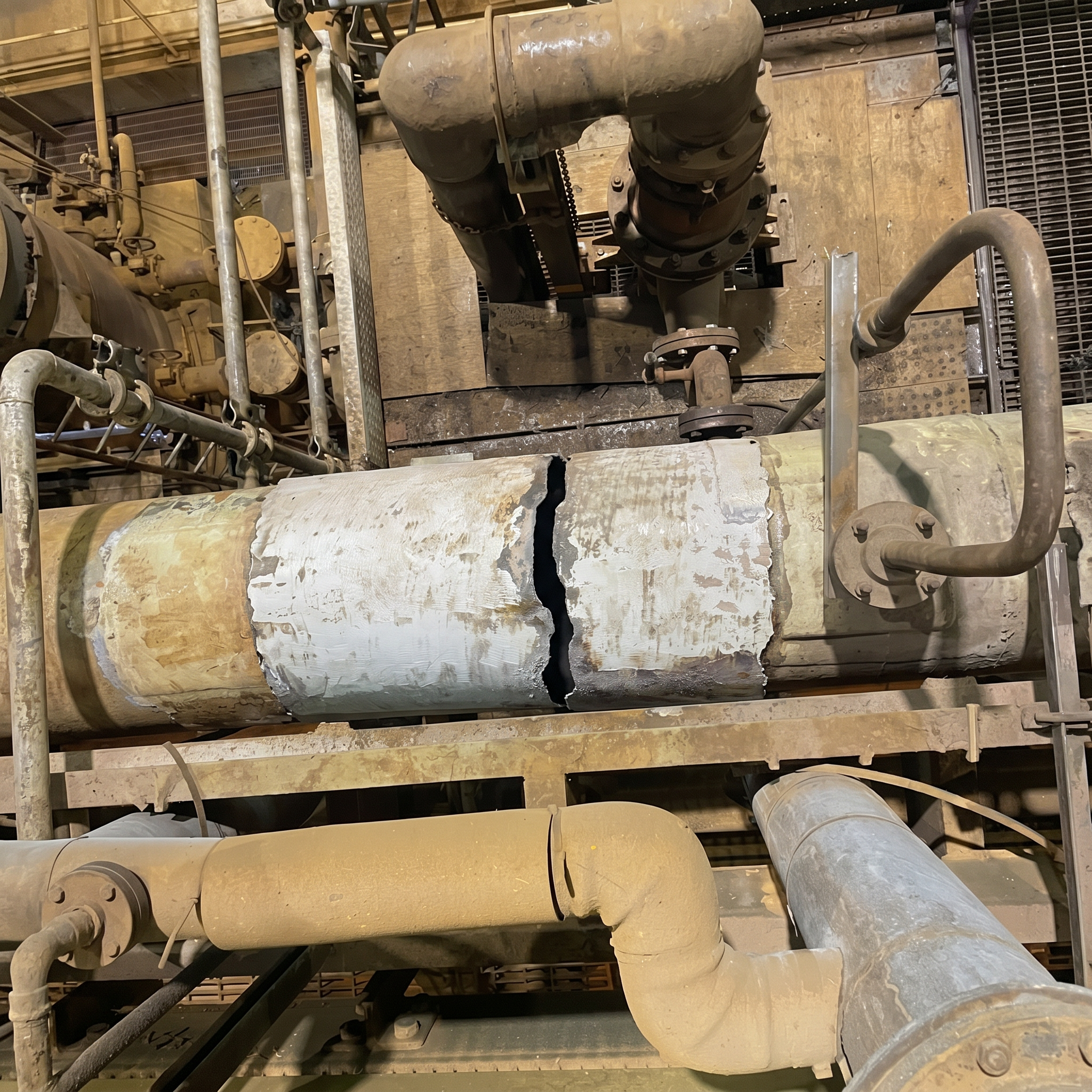
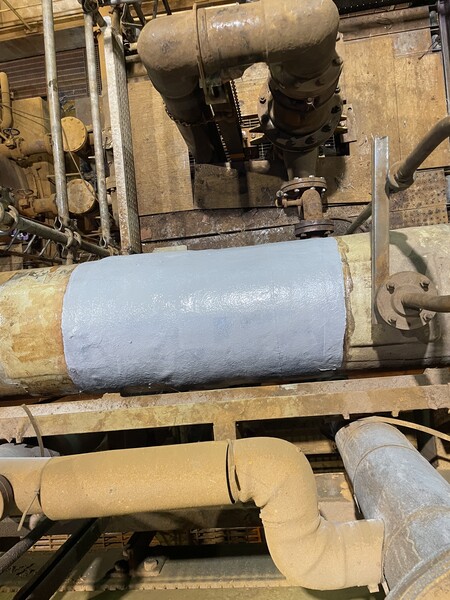
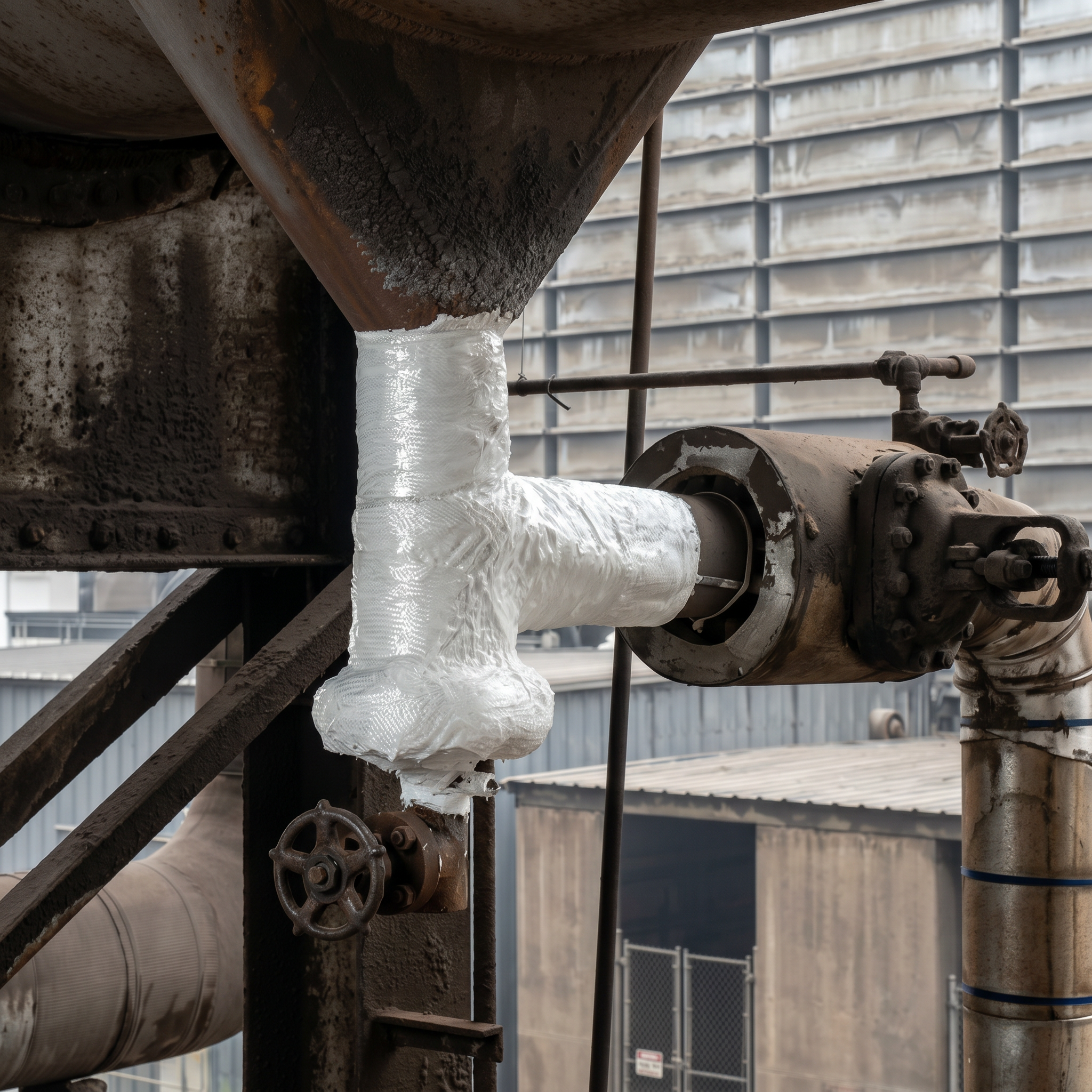
Repairs are not limited to straight pipe sections and can be applied to elbows, tees, instrumentation connections, pipe supports, hangers, saddles, and other complex geometries throughout the piping system.