Concrete & Structural Rehabilitation

Concrete foundations, containment structures, and load-bearing infrastructure operate under constant stress, moisture exposure, and chemical attack. Over time, cracking, spalling, corrosion of embedded steel, and structural fatigue can compromise safety and reliability.

RAK Industrial Services provides composite rehabilitation systems designed to restore strength, stabilize damaged areas, and extend service life without full demolition or major reconstruction.

Structural Rehabilitation Solutions
Engineered composite systems designed to restore structural integrity and extend the life of critical infrastructure.
  • Reinforcement of cracked and weakened concrete
  • Protection against moisture and chemical exposure
  • Load-bearing structural strengthening
  • Repairs completed without full demolition

Concrete Repair & Rehabilitation

Concrete deterioration often begins below the surface. Moisture intrusion, chemical exposure, freeze-thaw cycling, and corrosion of reinforcing steel can lead to cracking, delamination, and loss of load capacity.

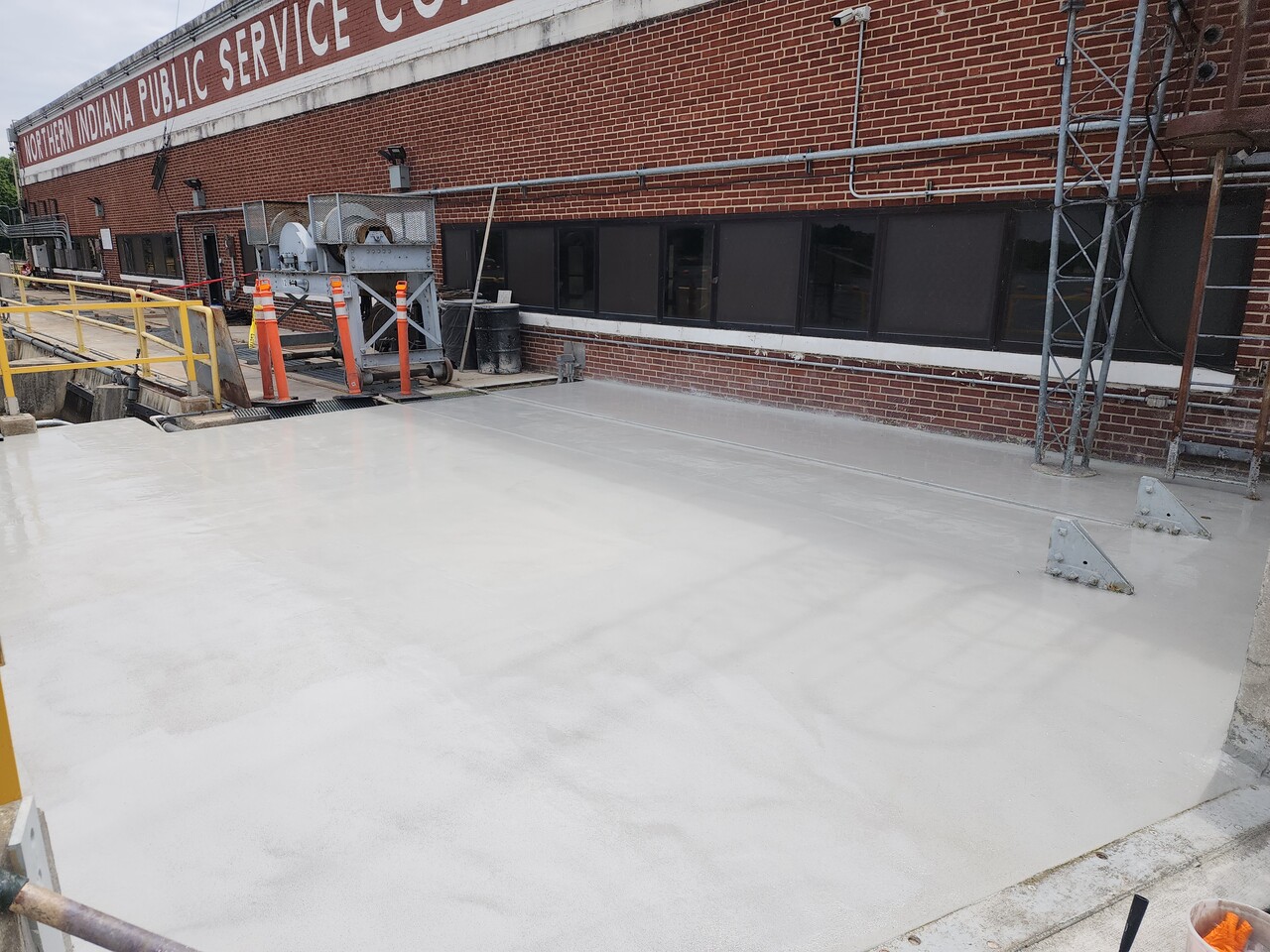
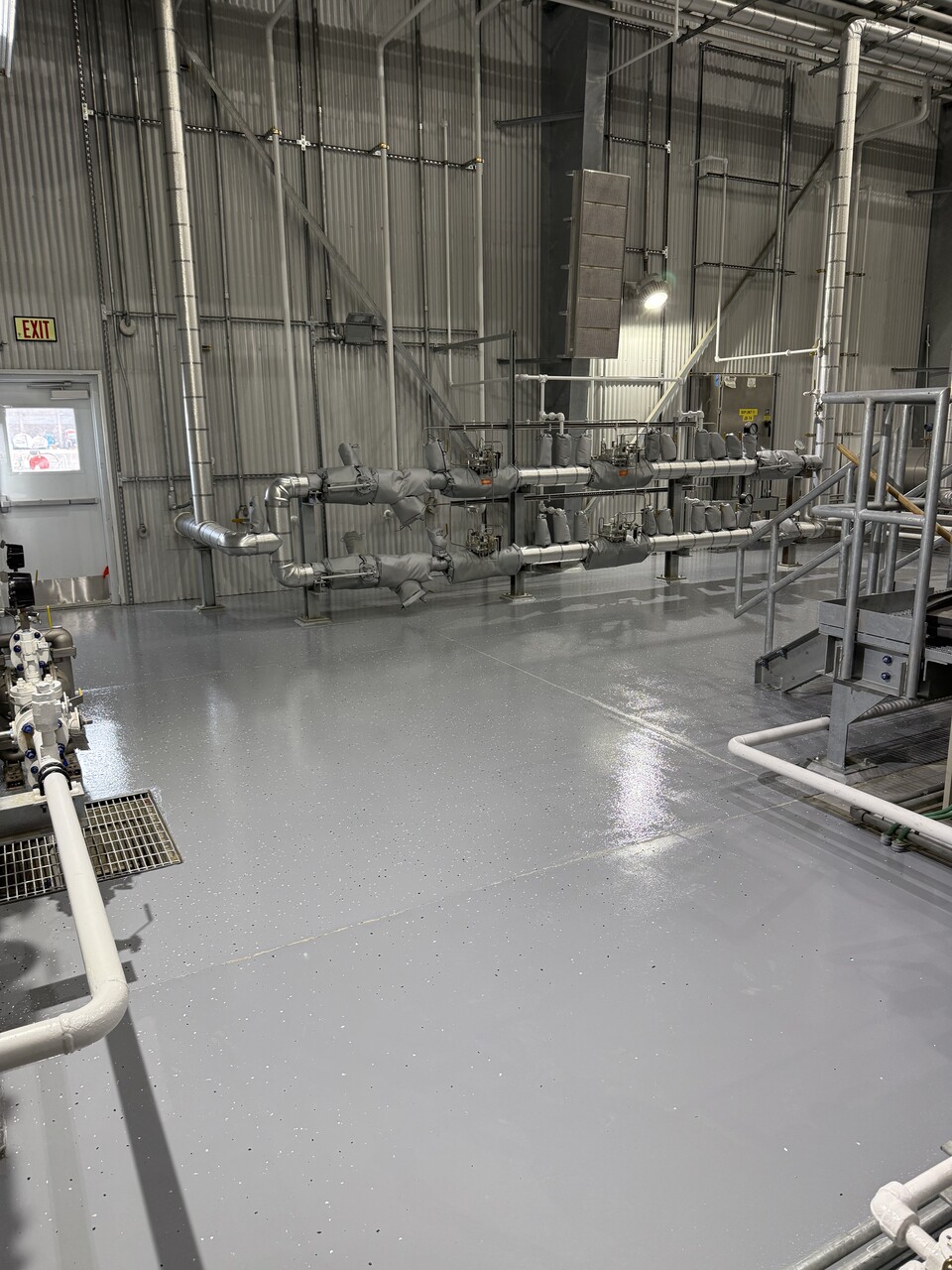
RAK applies composite reinforcement and protective lining systems that rebuild degraded concrete, reinforce weakened zones, and protect surfaces from continued exposure. Typical applications include sumps, trenches, containment pads, column bases, equipment foundations, secondary containments, and below-grade structures where traditional patch repairs fail prematurely.
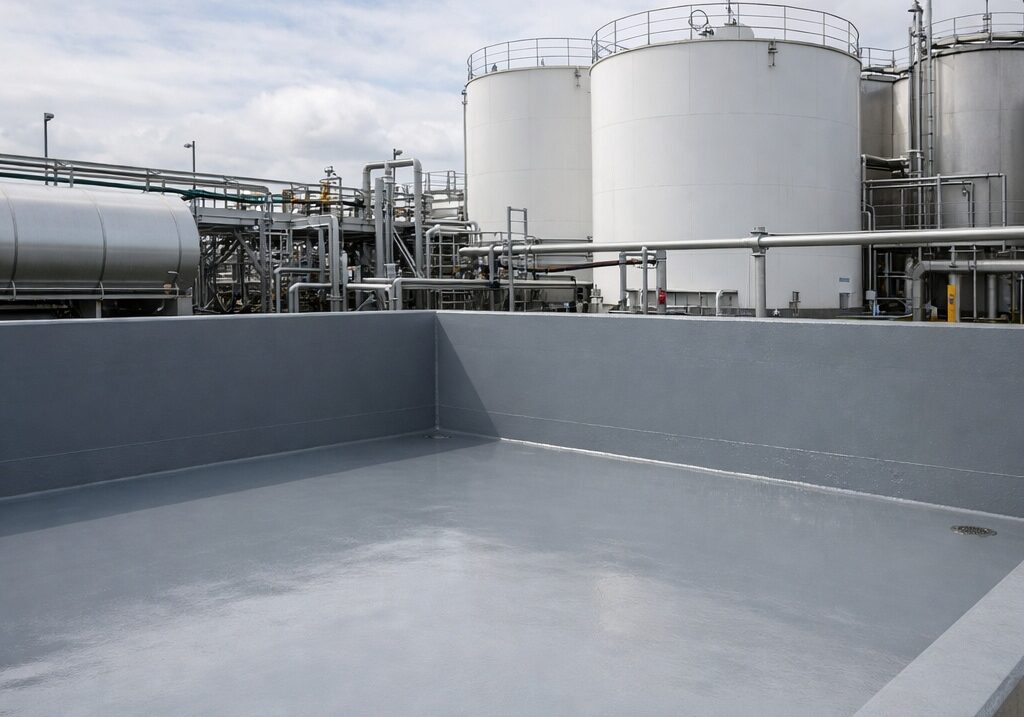
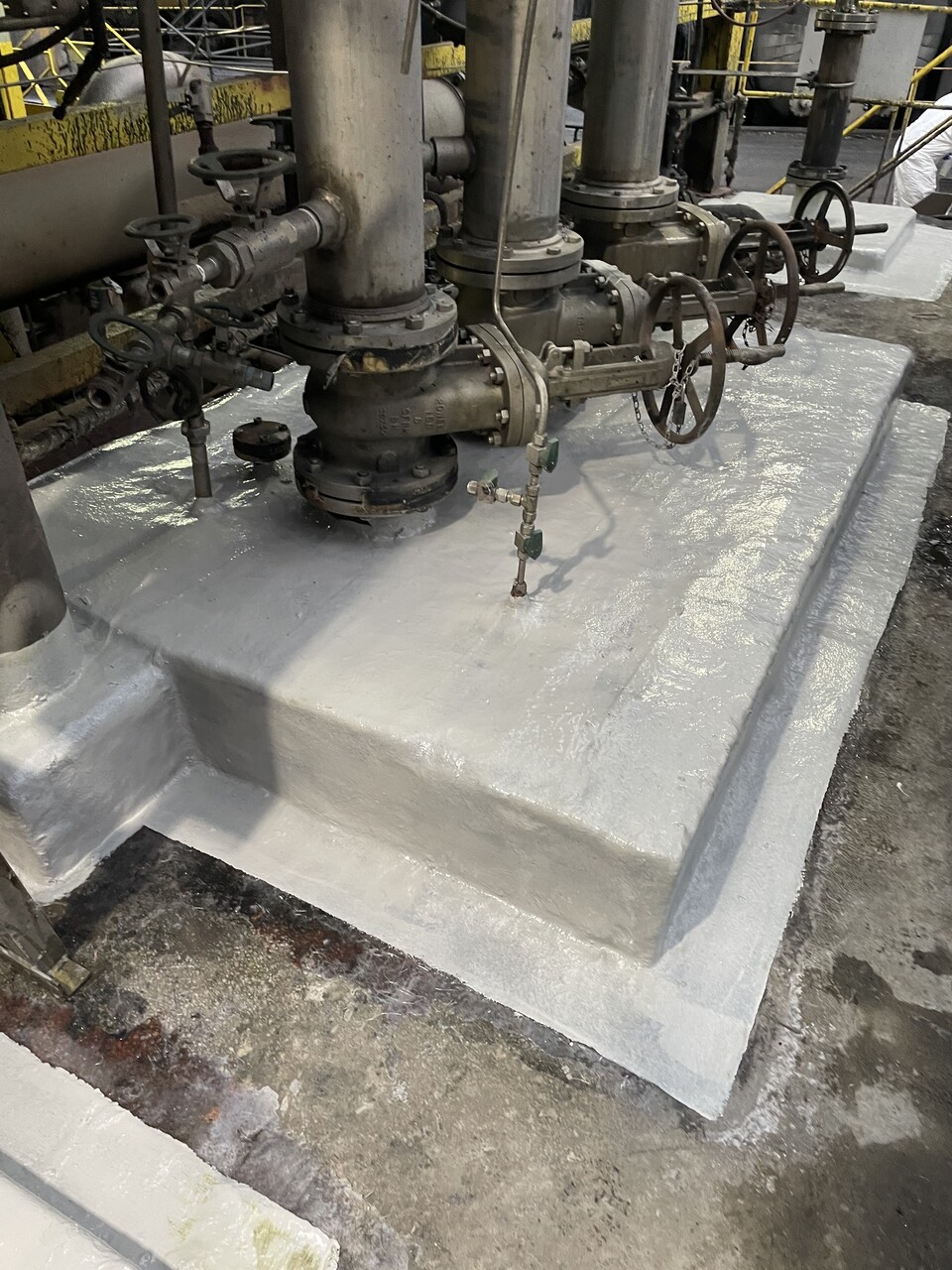
Secondary containment concrete repair Composite reinforcement on damaged concrete Concrete rehabilitation and structural repair

Structural Reinforcement

Aging steel and concrete infrastructure often require added strength to meet ongoing service demands. RAK designs carbon fiber and composite reinforcement systems that increase load-bearing capacity without adding significant weight or requiring major structural modifications.

Many facilities assume full replacement is the only solution when structural integrity is compromised. Composite reinforcement provides a proven alternative that restores strength and stability while minimizing cost, downtime, and disruption.

Reinforcement Benefits
Engineered composite systems restore strength while maintaining operational continuity.
  • Increased load-bearing capacity
  • Minimal added structural weight
  • No major demolition required
  • Extended service life of existing assets

Overview of Our Process

Successful structural rehabilitation depends on proper evaluation, system selection, and controlled installation. RAK follows a precise, documented process to deliver consistent repair outcomes.

Where broader structural or construction repairs are required, RAK can coordinate additional services to support full project execution while maintaining composite reinforcement as the core solution.

For critical or high-risk applications, RAK can provide fully engineered composite repair systems tailored to the specific load, service conditions, and long-term performance requirements of the asset.

Inspection and condition assessment
Neutralization and testing
Structural evaluation and documentation
Composite system selection and repair design
Surface preparation and substrate conditioning
Composite installation and controlled curing
Quality control and final verification

Applications Served

  • Equipment and machinery
  • Secondary containment structures
  • Sumps, pits, and trench systems
  • Bridge and large structural support systems
  • Column bases and below-grade structures
  • Platforms, walkways, and structural framing
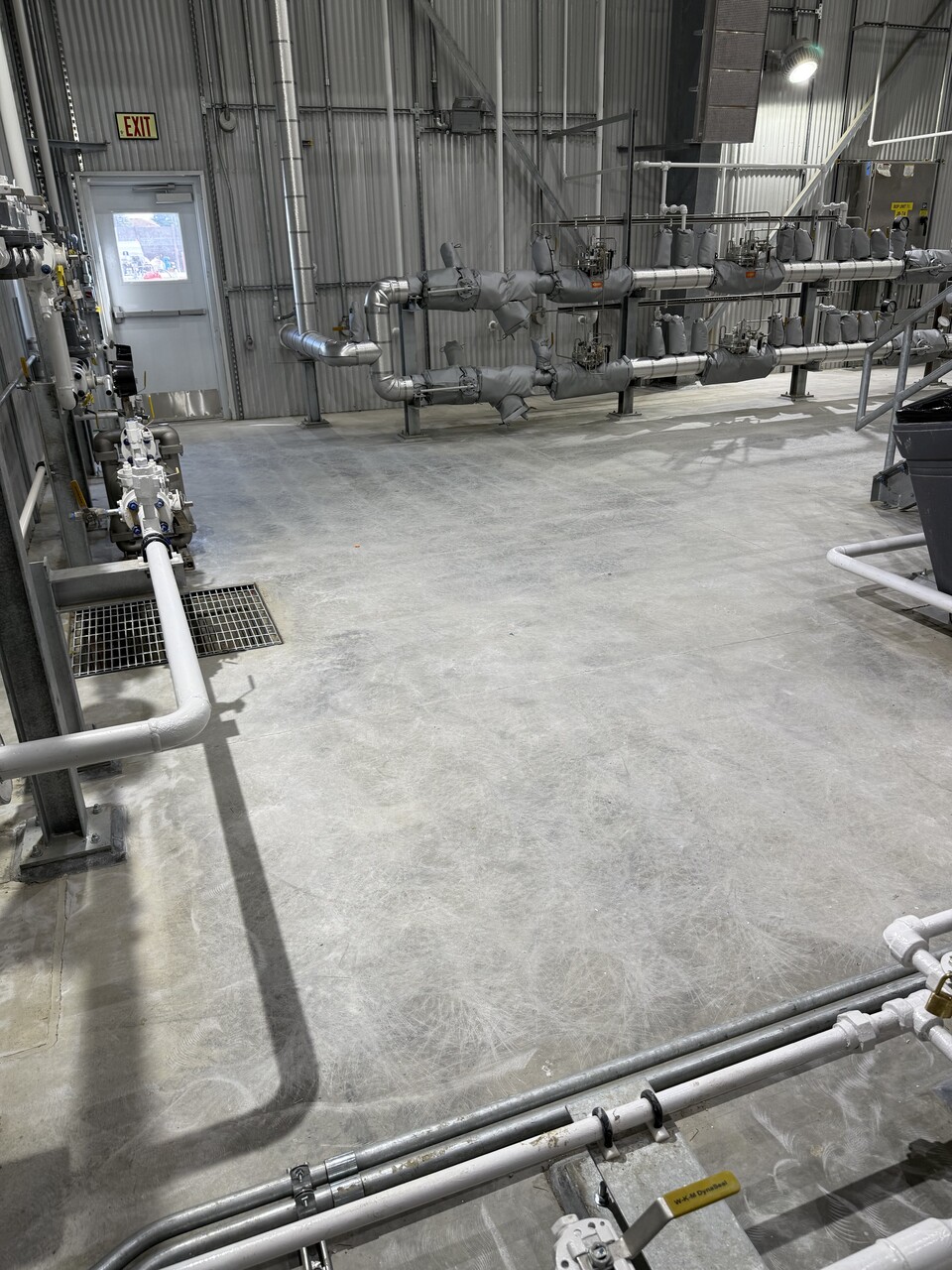
Damaged concrete floor before repair
Before
Concrete floor after composite repair
After
Structural Repair Assessment

Request a Structural Repair Assessment

Restoring concrete and structural assets begins with understanding current asset condition, service environment, and load expectations.

Contact RAK to schedule an assessment and discuss how composite reinforcement can extend the life of your infrastructure.

Request a Quote
What to Expect
Our team evaluates your structure and provides clear, actionable recommendations.
  • Detailed evaluation
  • Assessment of structural condition
  • Composite repair recommendations
  • Focus on minimizing downtime