Composite Tank Repair & Rehabilitation
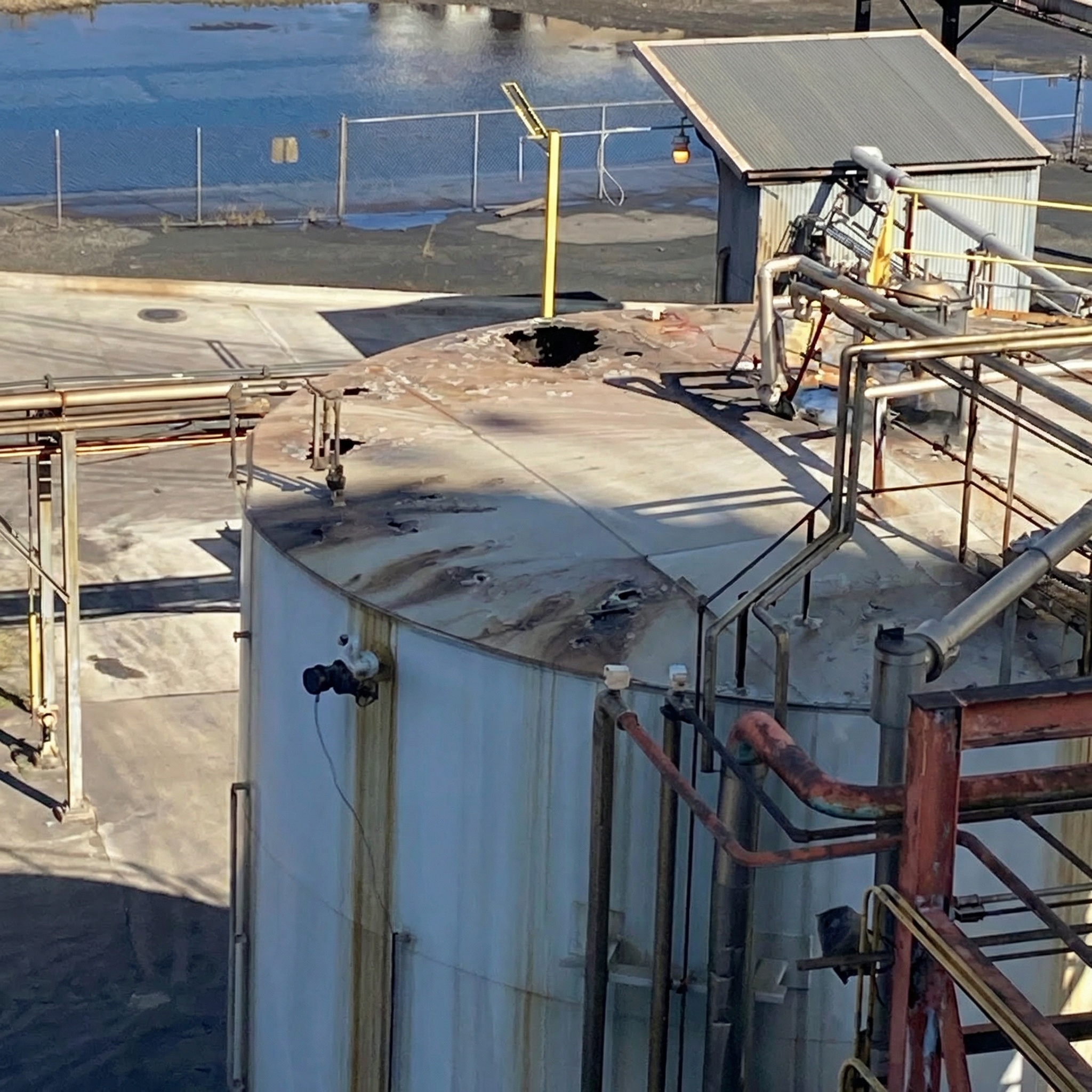
Industrial tanks operate in demanding environments where corrosion, chemical exposure, and aging infrastructure can lead to leaks and loss of structural integrity. Traditionally, tank repairs often require lengthy shutdowns or expensive replacements. Today, composite repair systems offer a more practical alternative requiring minimal to no downtime and avoiding costly replacements.
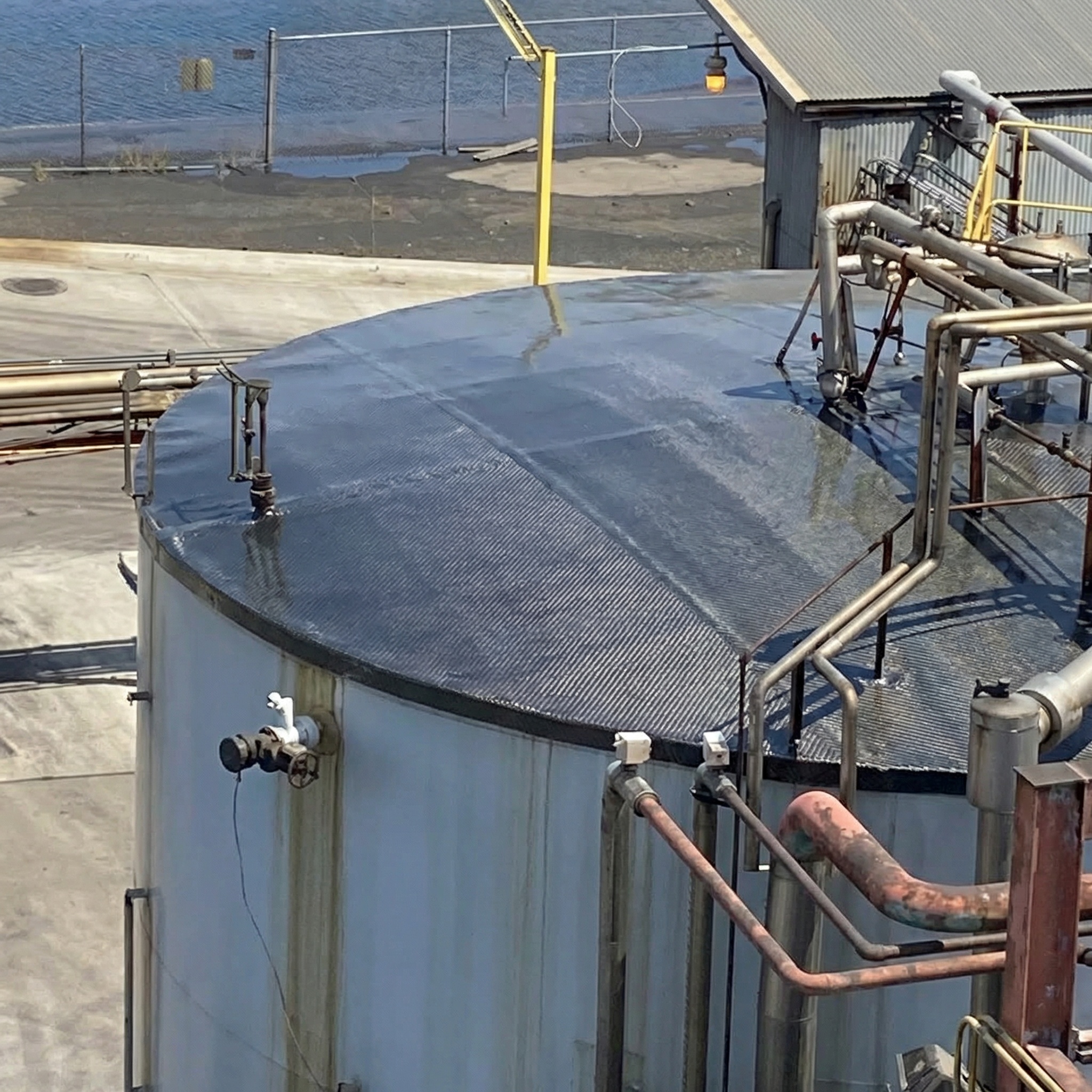
RAK Industrial Services delivers composite tank repair solutions designed to reinforce steel, fiberglass, and concrete tanks through internal reconstruction and external structural reinforcement. Our field-applied composite systems can be installed across the entire tank or targeted to specific areas to restore structural strength, extend service life, and minimize operational disruption.
Beyond tank floors and shells, RAK’s composite repair systems can be applied to nozzles, manways, and other complex geometries that are frequently subject to corrosion and stress.
Request a Quote
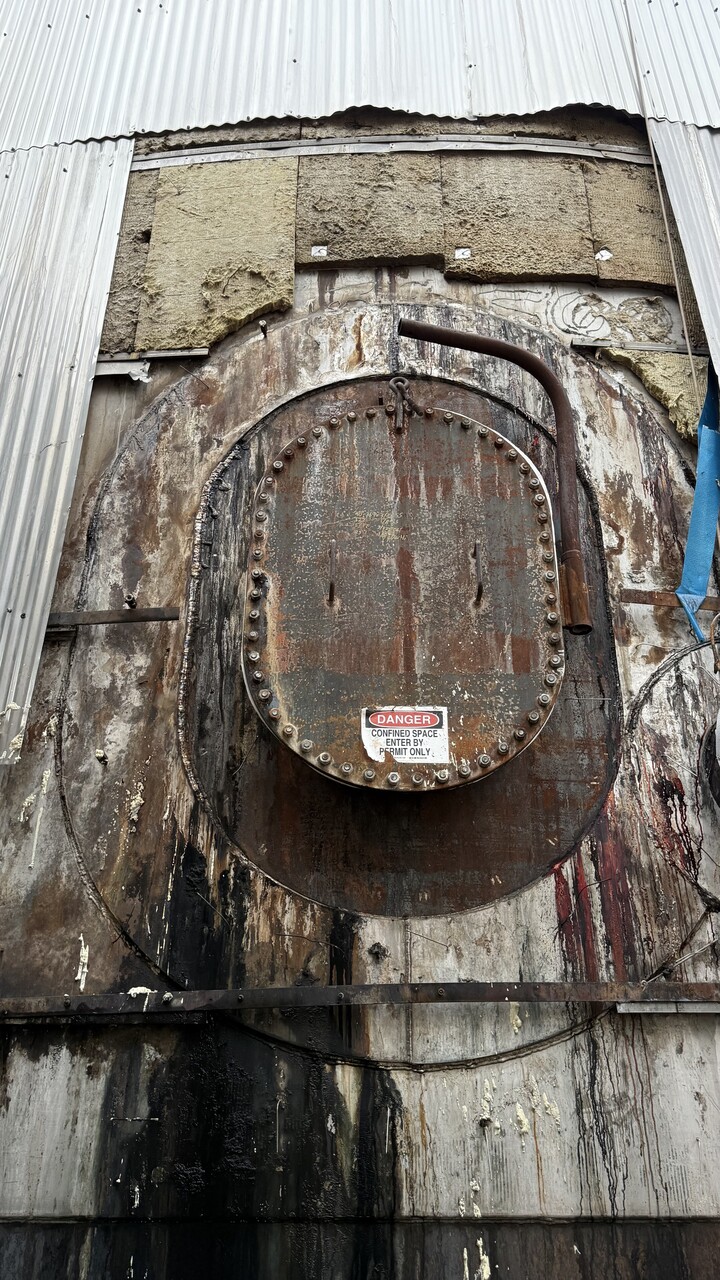
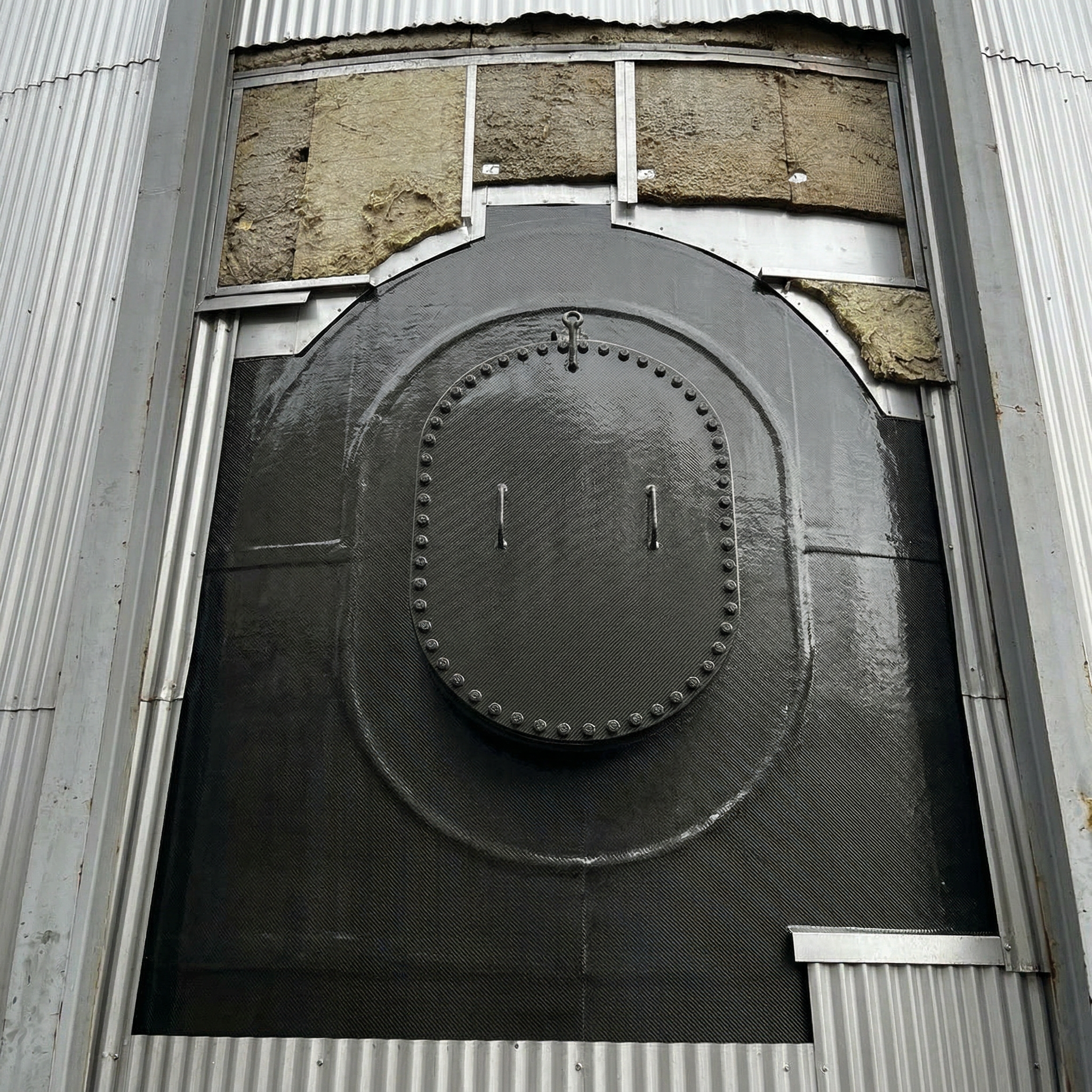
Restore Tank Integrity Without Replacement
Tank deterioration can occur from internal corrosion, coating failure, mechanical wear, or environmental exposure. Our team evaluates tank condition, service environment, and operational requirements to design API 653 compliant composite repair systems that rehabilitate weakened areas and return tanks to safe operating condition.
Composite repairs allow facilities to avoid major reconstruction while improving long-term reliability and asset performance.
“RAK helped us restore a deteriorated tank without taking it out of service. The repair was completed efficiently and gave us confidence in the long-term integrity of the tank.”
— Maintenance Manager, Chemical Processing FacilityKey Factors in Successful Tank Rehabilitation
Effective tank rehabilitation goes beyond simply applying a lining — it requires a comprehensive understanding of the tank’s operating conditions and a repair strategy engineered to restore the asset to its original design strength. RAK approaches each project with a focus on real-world operating conditions, proven installation practices, and long-term performance in the harshest conditions.
Understanding the Service Environment
- Chemical composition and concentration of tank contents are reviewed to ensure system compatibility
- Operating temperature and pressure are considered to prevent premature failure
- Immersion, vapor-zone, and splash-zone exposure are addressed to protect all areas of the tank
- Abrasion from solids, slurries, or high-velocity flow is evaluated so wear-resistant systems are applied where needed
Surface Preparation That Sets the Repair Up for Success
- Abrasive blasting is performed to create the proper surface profile for composite and lining adhesion
- Corrosion, oils, and contaminants are removed to ensure reliable bonding
- Weld seams, edges, and irregular surfaces are evaluated to eliminate stress points
- Surface conditions are verified before installation to avoid adhesion issues
- Moisture, soluble salts, pH, and cleanliness are tested to confirm compatibility
Installation That Delivers Long-Term Performance
- Systems are installed to defined thickness, coverage, and reinforcement requirements established for the specific service conditions
- Reinforcement layers are sequenced and controlled to achieve proper load transfer
- Fiberglass or carbon fiber reinforcement is oriented and placed to support structural performance and pressure containment
- Resin saturation is verified to ensure consistent mechanical properties and bond integrity
- Transitions and termination areas are carefully addressed to ensure even load transfer and long-term repair performance
- Environmental conditions are monitored and managed during application to support proper curing and system performance
- In-process inspections and verification checks are performed to confirm installation quality and consistency
Tank Floor Bottom Rehabilitation & Structural Support
Corrosion commonly develops at the tank floor and floor-to-wall transition. RAK’s customized composite tank floor repairs provide a durable, in-service solution that restores tank life while avoiding a full floor replacement or cladding.
Where degradation is localized, targeted composite spot repairs can be installed on areas below minimum thickness or at through-wall locations, minimizing downtime while addressing critical risk areas.
Internal Tank Reconstruction
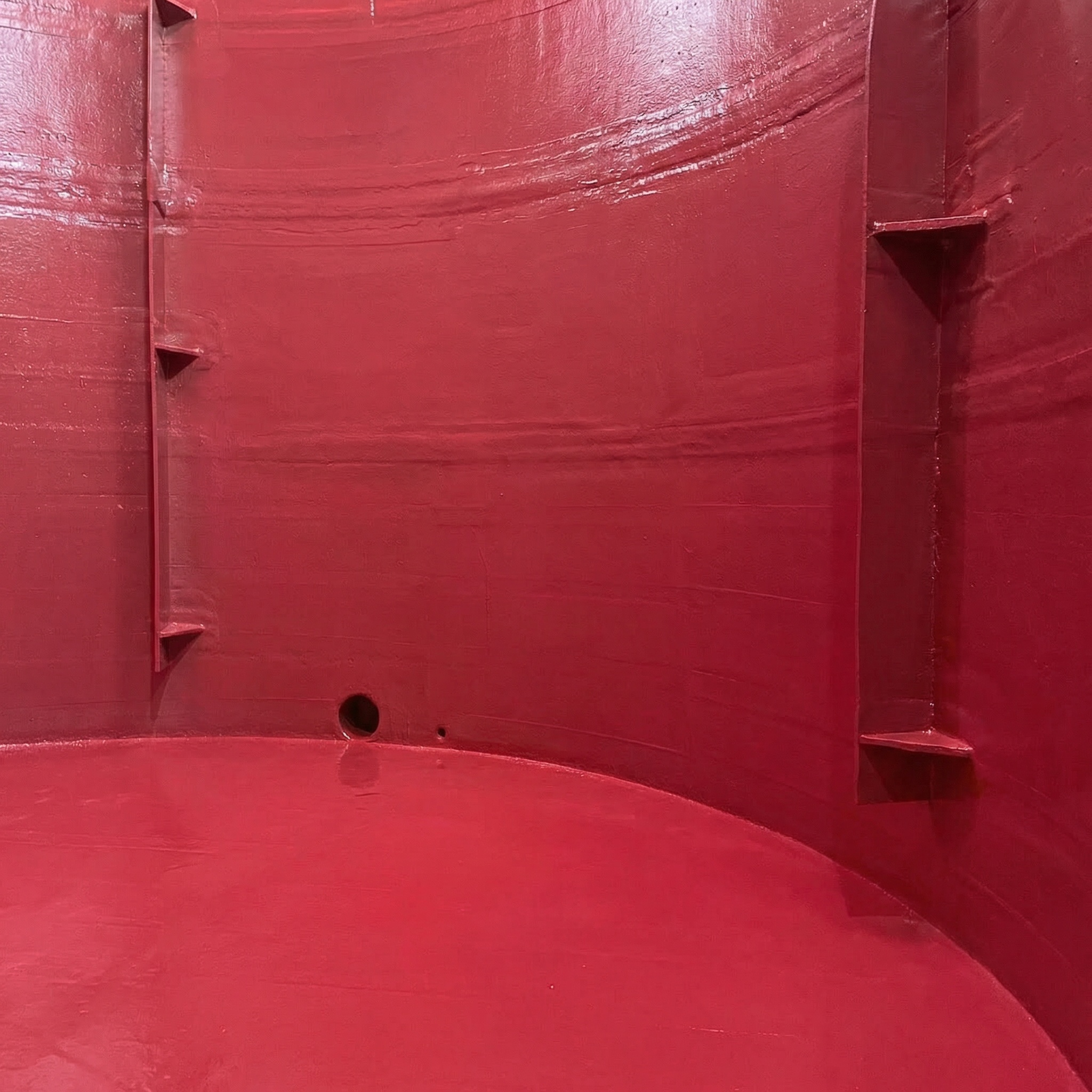
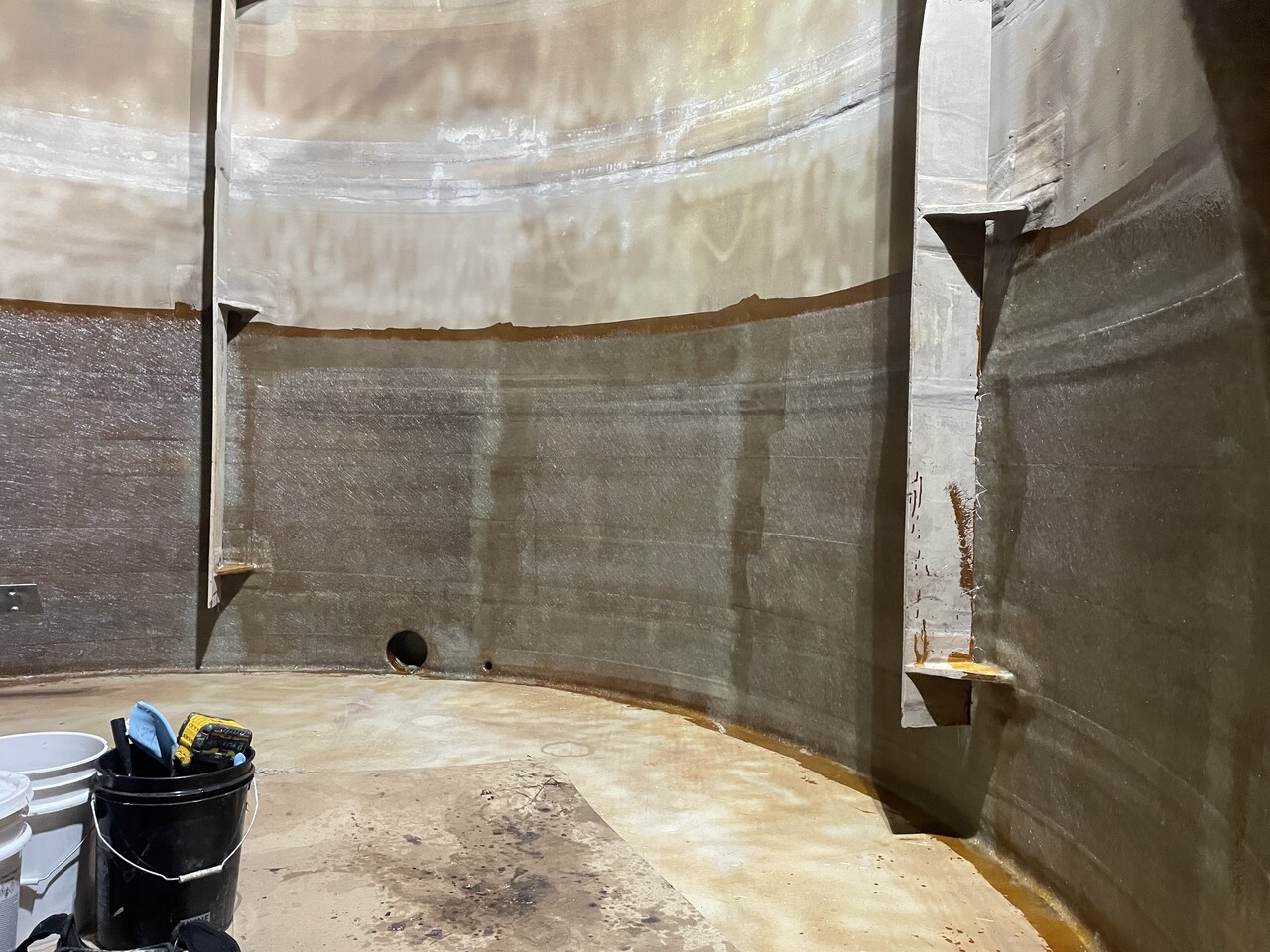
Internal tank surfaces exposed to continuous immersion, chemical attack, or abrasion are often the first to degrade. Materials selected are rated for tank specific immersion and temperature exposure. RAK applies composite reconstruction systems that rebuild wall loss, restore structural integrity, and provide renewed protection against corrosion and process exposure.
Internal tank repair solutions are designed in accordance with applicable industry standards, including API 653, and tailored to the specific operating environment of each tank.
External Tank Wrap Systems
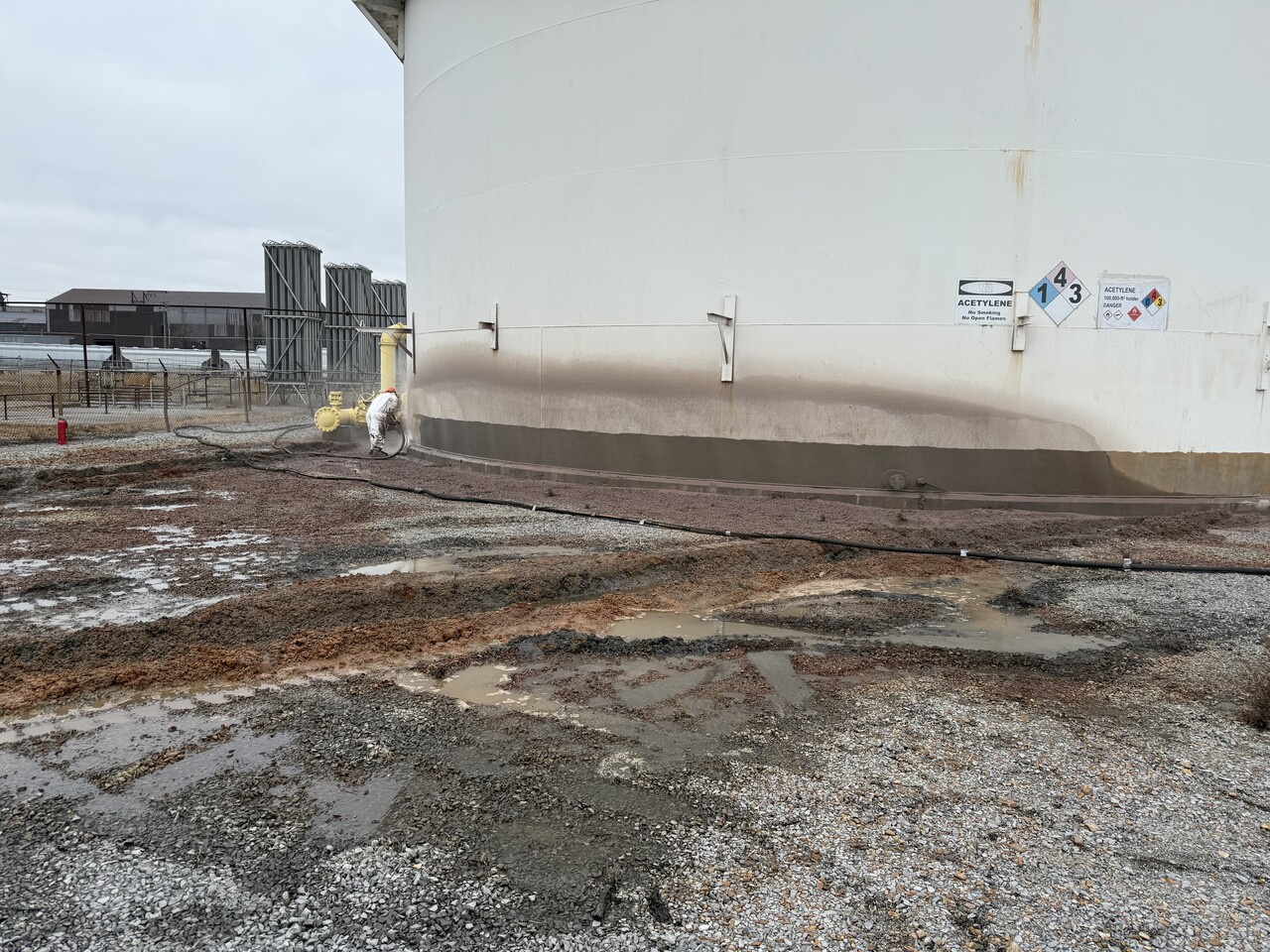
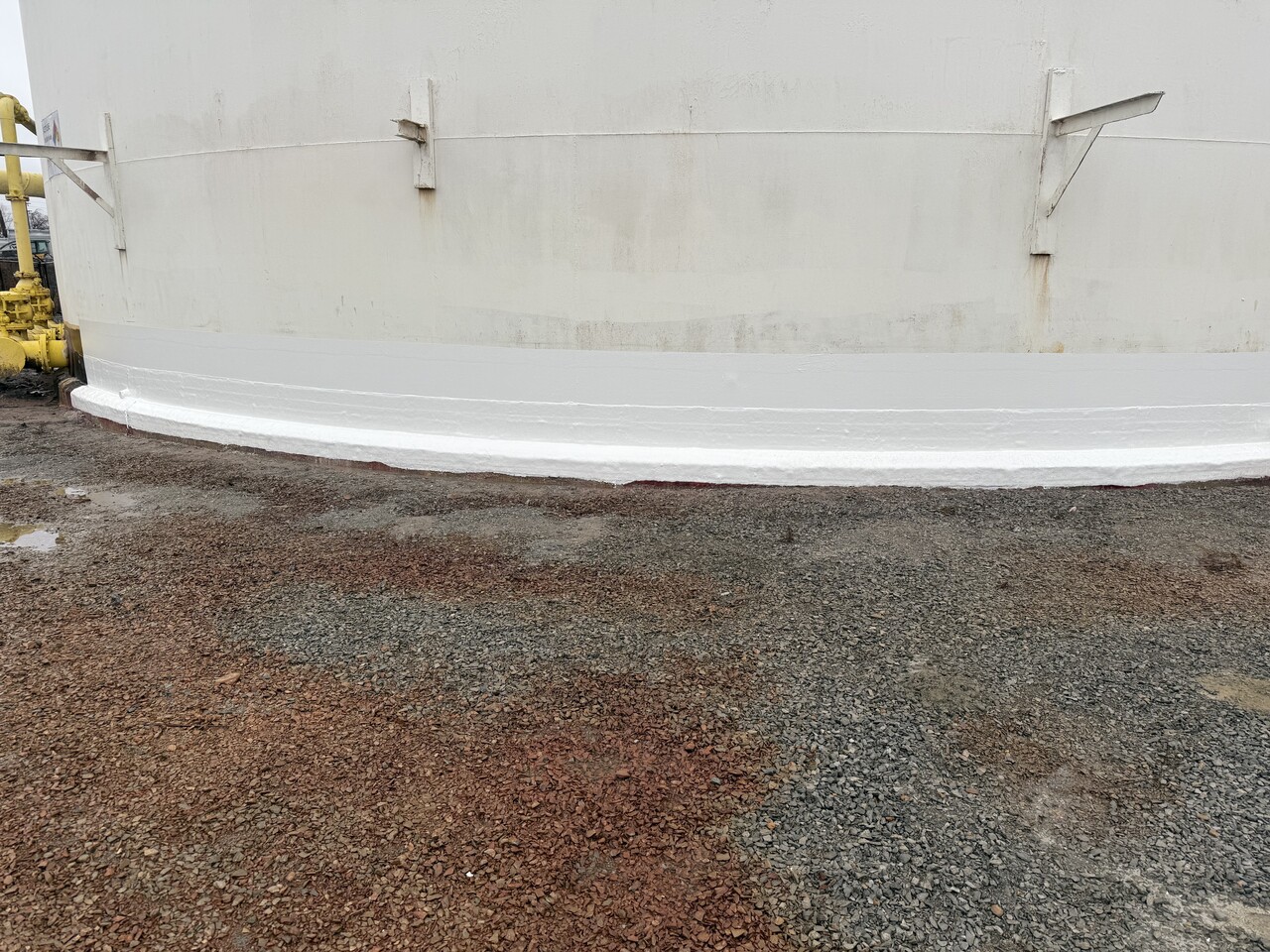
External corrosion and wall thinning can compromise tank safety and load capacity. RAK’s external composite systems reinforce weakened tank shells, contain through-wall defects, and restore structural stability without hot work, extensive cleaning, or downtime.
Composite wrap systems are engineered to conform to existing tank geometries and provide long-term reinforcement in harsh industrial conditions.
Composite Tank Repair Applications
RAK provides composite repair solutions for a wide range of industrial tank systems, addressing structural deterioration, corrosion, and service-related wear across multiple environments and operating conditions.
Storage Tank Systems
Atmospheric and pressurized storage tanks, including leaking or compromised systems requiring structural reinforcement and continued serviceability.
Chemical & Process Tanks
Chemical, process, and neutralization tanks handling acids, caustics, and other corrosive media in demanding industrial environments.
Water & Wastewater Tanks
Water, wastewater, and treatment tanks experiencing corrosion, coating failure, degradation, or long-term exposure related damage.
Mixing & Holding Tanks
Mixing and holding tanks exposed to abrasion, erosion, wall loss, liner failure, or ongoing chemical attack.
Tank Floors & Transition Areas
Corroded tank bottoms, floors, and floor-to-wall transition areas where localized deterioration can threaten long-term tank integrity.
Fiberglass & Concrete Tanks
Fiberglass and concrete tanks with cracking, delamination, spalling, leaks, or other forms of structural damage and material degradation.
Containment Structures
Secondary containment tanks and related containment structures requiring rehabilitation, reinforcement, or corrosion protection.
Aging Tank Rehabilitation
Aging tanks requiring repair and rehabilitation instead of full replacement to extend service life and avoid unnecessary capital cost.
Custom Tank Configurations
Specialty tank systems with limited access, difficult geometry, or custom operating requirements where replacement is impractical.
Request a Tank Repair Evaluation
Effective tank rehabilitation begins with understanding asset condition, chemical exposure, and structural requirements.
Contact RAK to schedule a tank assessment and discuss repair and lining solutions that restore integrity, extend service life, and minimize operational disruption.
Request a Tank Evaluation